By Charles West March 27, 2026
Running a bar or live music venue in Nashville requires more than just great drinks and entertainment. Owners and managers must also manage fast-moving transactions, open tabs, customer payments, and staff tips without errors. Payment processes such as bar tabs, card preauthorizations, and tip adjustments may seem like small operational details, but they directly impact revenue, customer satisfaction, and operational efficiency.
When these systems are not managed properly, businesses may face unpaid tabs, payment disputes, accounting errors, or lost tips. However, when structured correctly, payment systems can improve workflow, protect revenue, and create a better customer experience.
Bar tabs allow customers to order multiple drinks without paying after each order. Preauthorizations confirm funds are available before service continues. Tip adjustments ensure staff receive the correct gratuities after transactions close. Together, these systems create the financial backbone of successful hospitality operations.
This guide explains how Nashville bars and live venues can manage these processes efficiently while reducing risk, improving staff performance, and strengthening financial operations.
Table of Contents
Why Payment Workflows Matter for Nashville Bars and Live Music Venues
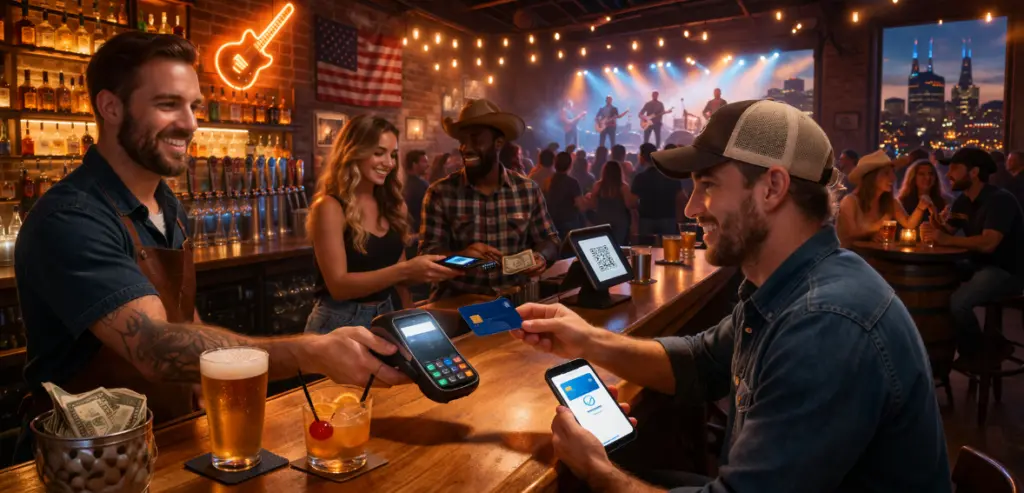
Nashville’s nightlife industry operates at a unique pace. Unlike traditional retail environments, bars and venues manage hundreds of transactions in loud, crowded environments where speed and accuracy both matter.
Payment workflows affect daily operations in several ways. They influence how quickly customers are served, how accurately staff process payments, and how easily managers reconcile financial reports.
Strong payment systems help businesses:
• Prevent unpaid tabs
• Reduce payment declines
• Improve service speed
• Protect employee tips
• Reduce accounting errors
• Improve financial visibility
Without proper systems, even small payment mistakes can create operational disruptions. For example, an unclosed tab may create accounting discrepancies, while an incorrectly entered tip can create employee dissatisfaction.
Well-organized payment workflows allow businesses to maintain smooth operations even during peak hours.
Understanding How Bar Tabs Work in High-Volume Venues
Bar tabs are essential tools in hospitality operations. Instead of processing multiple transactions, customers can open one tab and add purchases throughout their visit.
This improves customer experience while increasing operational efficiency.
Customers benefit because they can order quickly without repeatedly presenting payment methods. Staff benefit because they spend less time processing transactions and more time serving guests.
Businesses benefit through:
• Higher average spending
• Faster ordering processes
• Better customer retention
• Simplified checkout
However, without clear policies, tabs can also create financial risks.
Common Challenges With Bar Tabs
• Customers leaving without closing tabs
• Cards declining during final processing
• Missing tip entries
• Staff forgetting to close tabs
• Incorrect totals
• Authorization issues
These problems usually happen when businesses lack standardized payment procedures.
Best Practices for Managing Tabs Smoothly
• Always require a card to open a tab
• Set minimum authorization limits
• Train staff on tab closing procedures
• Monitor open tabs during shifts
• Close inactive tabs automatically
Businesses that follow these practices reduce risk and improve operational consistency.
What Preauthorizations Are and Why They Protect Revenue
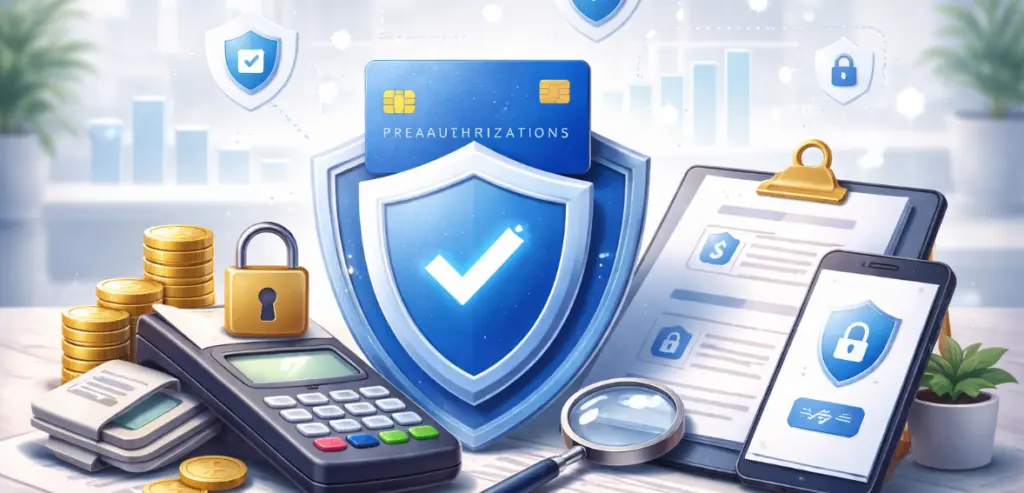
Preauthorization is a temporary hold placed on a customer’s card to verify available funds. This protects businesses from serving customers who may not be able to pay later.
This process allows customers to keep their cards while ensuring payment security.
Preauthorization protects businesses by:
• Confirming payment ability
• Preventing unpaid balances
• Reducing fraud risk
• Improving transaction approval rates
• Supporting smoother settlements
Without this step, businesses expose themselves to unnecessary financial risk.
How Preauthorization Works in Bars
• Customer opens tab
• Card receives temporary authorization
• Orders accumulate
• Final total replaces authorization
• Tip gets added
• Transaction settles
This structured flow ensures financial protection while maintaining a smooth customer experience.
Why Proper Preauthorization Amounts Matter
Setting correct authorization amounts is important.
If the amount is too low:
• Final transactions may fail.
• Additional authorizations may be required.
• Staff workflow slows down
If too high:
• Customers may become concerned
• Temporary holds may appear excessive.
• Payment confusion may increase
Most venues set authorizations based on typical customer spending patterns.
How Tip Adjustments Impact Staff Satisfaction and Accounting Accuracy
Tips are a major income source for hospitality staff. Proper tip adjustment procedures ensure employees receive accurate compensation while maintaining financial accuracy.
Unlike traditional retail, hospitality businesses often finalize tips after initial transactions.
Tip adjustments happen when:
• Customers add gratuity after signing receipts.
• Staff enter tips manually.
• Digital tipping gets finalized
• Receipts get processed later
If tip adjustments are not managed correctly, businesses may face payroll discrepancies or employee disputes.
Best Practices for Tip Adjustments
• Establish tip entry deadlines
• Train staff on correct procedures
• Review tip reports daily
• Use POS systems with tip tracking
• Verify totals before settlement
Common Tip Adjustment Mistakes
• Forgetting to enter tips
• Entering incorrect amounts
• Missing settlement windows
• Exceeding allowed adjustments
Clear policies eliminate confusion and ensure fairness.
Building a Smooth Payment Process From Start to Finish
Successful bars treat payment systems as operational processes rather than simple transactions. A structured workflow reduces confusion and improves financial outcomes.
A strong payment workflow includes the following: later.
Key Steps in a Strong Payment Workflow
• Opening tabs correctly
• Running preauthorizations
• Tracking orders accurately
• Entering tips correctly
• Closing transactions
• Completing settlements
Operational Improvements That Make a Difference
• Written payment procedures
• POS automation
• Staff training programs
• Nightly reconciliation processes
• Manager review policies
These improvements help eliminate preventable financial issues.
How Modern POS Systems Help Bars Manage Payments Efficiently
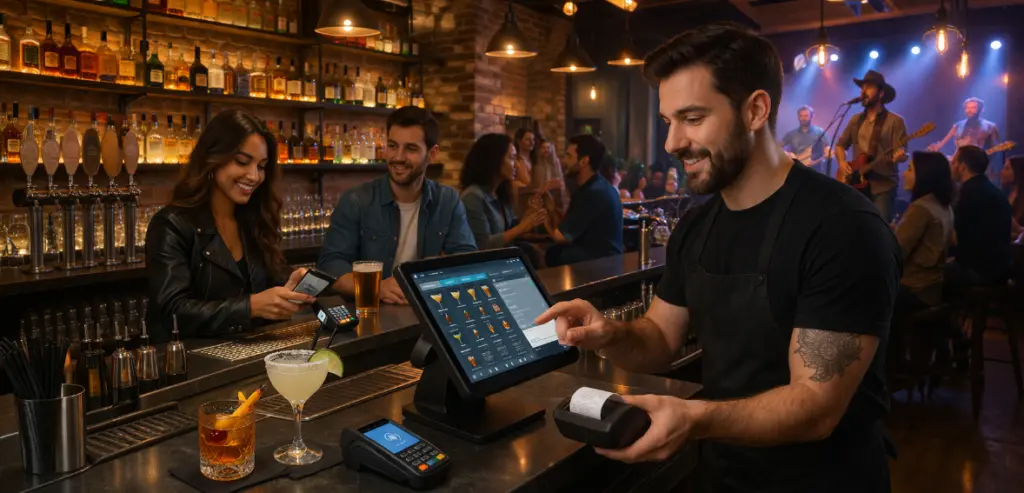
Modern POS technology simplifies payment management for bars and venues. These systems reduce manual work and improve accuracy.
POS systems help businesses:
• Track open tabs
• Automate authorizations
• Manage tip adjustments
• Generate reports
• Reduce manual errors
• Improve transaction visibility
Technology investments often improve both operational efficiency and financial control.
Features Bars Should Look for in POS Systems
• Open tab tracking
• Authorization management
• Tip adjustment tools
• Reporting dashboards
• Settlement controls
Technology Benefits for Management
• Improved reporting
• Faster reconciliation
• Better accountability
• Reduced disputes
• Financial transparency
Technology provides long-term operational advantages.
Training Staff to Handle Tabs and Payments Correctly
Technology alone cannot prevent payment problems. Staff training remains essential.
Employees should understand both technical procedures and customer communication expectations.
Key Training Areas
• Opening tabs correctly
• Explaining authorizations
• Entering tips accurately
• Closing transactions
• Handling declined cards
Staff Communication Skills That Improve Customer Experience
• Explaining temporary charges
• Clarifying payment processes
• Addressing customer concerns
• Maintaining professionalism
Policies Every Team Should Know
• Tab closing timelines
• Declined payment procedures
• Tip entry rules
• Manager escalation policies
Consistent training prevents costly mistakes.
Preventing Payment Disputes and Chargebacks
Payment disputes can reduce revenue and create administrative work. Many disputes happen simply because customers do not understand how bar payments work.
Common dispute triggers include:
• Temporary authorizations appearing as charges
• Tip adjustments changing totals
• Delayed settlements
• Duplicate pending transactions
Education and transparency reduce disputes significantly.
Ways to Reduce Disputes
• Provide clear receipts
• Train staff to explain charges
• Use transparent billing practices
• Maintain transaction records
• Settle transactions quickly
Operational Practices That Reduce Risk
• Require signatures
• Use secure chip transactions
• Monitor unusual tips
• Maintain payment logs
• Conduct daily audits
Clear documentation helps resolve disputes quickly.
Improving Customer Experience Through Better Payment Practices
Customers may not notice strong payment systems, but they immediately notice poor ones.
Smooth payment experiences improve trust and satisfaction.
Good payment systems improve the following:
• Customer confidence
• Repeat visits
• Staff tips
• Business reputation
Customer-Friendly Payment Practices
• Fast tab opening
• Clear communication
• Quick checkout
• Accurate billing
• Digital receipts
Small Improvements That Create Big Impact
• Clear tip lines
• Quick card returns
• Friendly explanations
• Accurate totals
Small operational details shape customer perception.
Managing High-Volume Nights Without Payment Chaos
Busy nights create the greatest risk for payment errors. Planning helps prevent operational problems.
High traffic increases:
• Staff mistakes
• Missed tabs
• Delayed settlements
• Incorrect entries
Preparation is essential.
High-Volume Payment Preparation Strategies
• Assign payment responsibilities
• Monitor open tabs
• Use POS alerts
• Increase supervision
• Close inactive tabs
Nightly Financial Control Practices
• Review open tabs
• Verify tips
• Confirm settlements
• Review exceptions
Preparation improves operational stability.
Creating Internal Controls for Financial Accuracy
Internal controls help businesses maintain financial discipline.
Strong controls include:
Important Financial Controls
• Daily batch reviews
• Tip reporting
• Transaction audits
• Refund tracking
• Void monitoring
Management Oversight Practices
• Random receipt reviews
• Exception reporting
• Staff accountability reviews
Financial Discipline Habits
• Same day settlements
• Consistent closing procedures
• Accurate documentation
Consistency creates financial stability.
The Role of Merchant Service Providers in Payment Efficiency
Merchant service providers help hospitality businesses improve payment processes.
Strong providers help businesses:
• Improve approval rates
• Reduce processing issues
• Provide reporting tools
• Support POS integration
• Improve transaction reliability
What to Look for in a Merchant Services Partner
• Hospitality experience
• POS compatibility
• Transparent pricing
• Strong support
• Reporting capabilities
Signs of a Strong Payment Partner
• Fast problem resolution
• Clear statements
• Staff training support
• Technology updates
Choosing the right provider supports operational success.
Future Trends in Bar and Venue Payment Technology
Payment technology continues evolving. Bars that stay current often gain efficiency advantages.
Emerging trends include:
• Contactless payments
• Mobile wallets
• Digital tipping
• Pay-at-table systems
• Real-time reporting
Trends Bars Should Watch
• QR code payments
• Mobile tab systems
• Fraud detection tools
• Payment analytics
Why Technology Adoption Matters
Businesses that adopt modern systems often see the following:
• Faster service
• Fewer errors
• Better reporting
• Improved customer satisfaction
Modern tools support long-term growth.
Conclusion
Managing tabs, preauthorizations, and tip adjustments properly is essential for Nashville bars and live venues that want to operate efficiently and profitably.
These payment processes affect revenue protection, employee earnings, and customer satisfaction. Businesses that build strong payment systems benefit from fewer errors, better financial reporting, and smoother daily operations.
By investing in proper staff training, modern POS technology, clear procedures, and strong payment partnerships, venues can eliminate common payment problems and improve overall efficiency.
When payment systems run smoothly, staff perform better, customers remain satisfied, and businesses maintain stronger financial control.
FAQs
What is a bar tab preauthorization?
A bar tab preauthorization is a temporary hold placed on a customer’s card to verify available funds before allowing additional purchases.
Why do bars adjust tips after transactions?
Tips are often added after receipts are signed, which requires businesses to adjust the final total before settlement.
How long do preauthorizations remain on cards?
Most preauthorizations disappear within one to three business days, depending on the customer’s bank.
What happens if a customer leaves without closing a tab?
Most POS systems allow the business to close the tab using the authorized card on file.
How can bars reduce payment disputes?
Clear receipts, proper staff training, accurate billing, and customer communication significantly reduce disputes.